If you've spent any time in peptide research communities, you've seen the debate: oral vs. injectable. Some compounds are marketed as oral alternatives to injectable peptides, promising the same results without a needle. But does the science back this up? And when does each method actually make sense? Here's what the research shows.
Why Most Peptides Cannot Be Taken Orally
Peptides are chains of amino acids — essentially very small proteins. The digestive system is specifically designed to break down proteins into individual amino acids for absorption. This is great for nutrition, but catastrophic for peptide research. When a peptide is swallowed, stomach acid creates a highly acidic environment (pH 1–2) where pepsin functions as a broad endopeptidase, hydrolysing peptide bonds. In the small intestine, pancreatic enzymes including trypsin and chymotrypsin continue degradation at pH ≥ 6.5, completing the destruction of the compound's structure before it can reach the bloodstream. [1]
The result: most injectable peptides taken orally have near-zero systemic bioavailability. A considerable challenge facing oral peptide delivery is precisely this — low bioavailability due to poor peptide stability and permeability through the GI tract. [2] [3]
What Is Subcutaneous Injection?
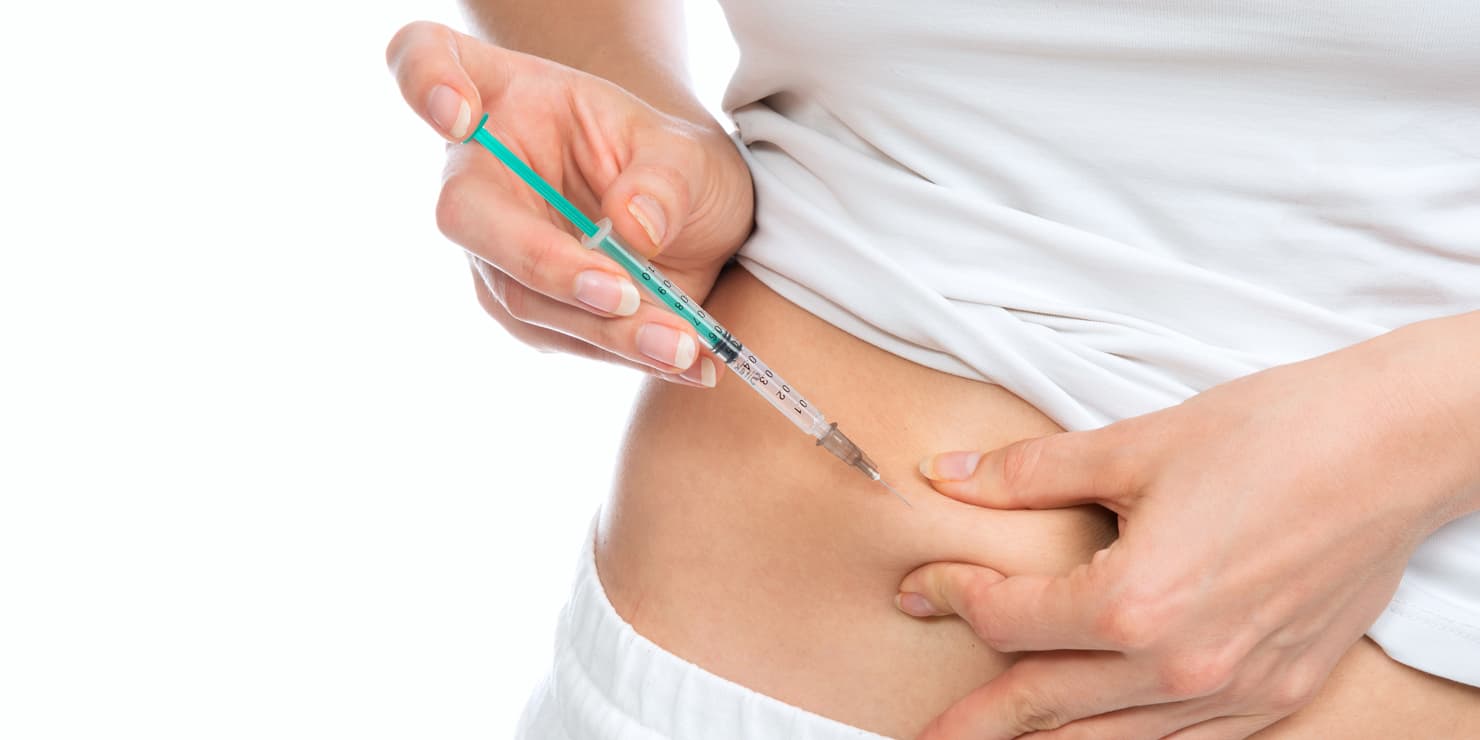
Subcutaneous (subQ) injection delivers the compound into the layer of fatty tissue just beneath the skin — not into muscle (intramuscular) and not into a vein (intravenous). It's the standard delivery method for insulin and for most peptide research protocols.
SubQ injection bypasses the digestive system entirely, allowing the peptide to enter the bloodstream largely intact. For most parenteral routes including subcutaneous and intramuscular injections, drugs show between 60 and 100% bioavailability — a range confirmed across multiple approved biologic peptides including teriparatide (95%), insulin (84% in humans), and recombinant human EPO (36–100% depending on dose). The pharmacokinetics of subcutaneous absorption are also significantly influenced by injection site, with absorption from the dermis occurring 2–20 times more rapidly than from the subcutis depending on molecule size. [4] [5] [6]
The Exception: Orally Stable Peptides
Not all peptides are created equal. A small number of peptides have been specifically studied in oral form, most notably:
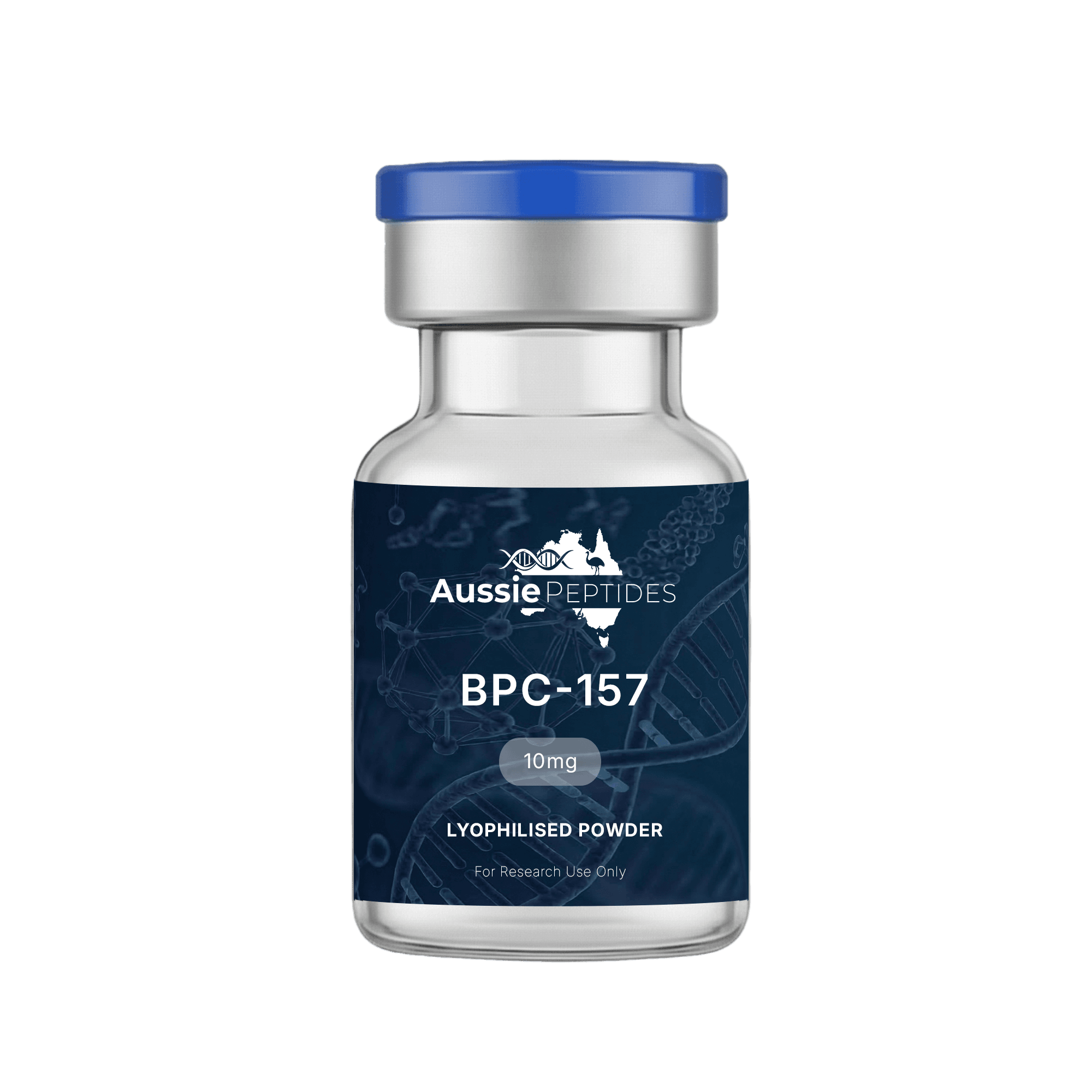
BPC-157
BPC-157 (Body Protection Compound-157) is described in the peer-reviewed literature as a "stable gastric pentadecapeptide" — stable in human gastric juice, effective in both the upper and lower GI tract, and free of recorded side effects at studied doses. Research has explored oral BPC-157 specifically for its potential effects on the gastrointestinal tract — inflammatory bowel conditions, gut lining integrity, and ulcer healing — with studies in rat models demonstrating effectiveness against cysteamine-induced colitis when administered orally. In these GI applications, the local action within the gut means the peptide does not need to survive systemic absorption to be effective. [7] [8] [9]
However, for research into systemic effects — joint healing, muscle repair, or neurological applications — injectable BPC-157 remains the preferred method. Published pharmacokinetic data shows mean absolute bioavailability of BPC-157 following intramuscular injection was approximately 14–19% in rats and 45–51% in beagle dogs, with oral systemic bioavailability substantially lower. [10]
Semax and Selank
Both Semax and Selank have been studied in nasal spray (intranasal) form — not oral — which bypasses digestion via the nasal mucosa. As a peptide, Semax has poor oral bioavailability and is therefore administered as a nasal spray or subcutaneous injection in all published research. Studies have confirmed that intranasal Semax administration measurably modulates default mode network connectivity in humans as quickly as 5–20 minutes post-administration. Selank is similarly studied in intranasal form and has been shown to alter the expression of genes involved in neurotransmission, though it is metabolised rapidly — undetectable in blood within 10 minutes of intranasal administration, though effects may persist longer. Injectable forms of both peptides typically still demonstrate superior systemic bioavailability compared to intranasal delivery. [11] [12] [13] [14]
Comparing the Two Methods
- Bioavailability: SubQ injection 60–100% for most biologic peptides vs. oral typically near-zero for most peptides due to GI enzymatic degradation [3] [5] [4]
- Onset: SubQ has a well-characterised absorption profile; intranasal delivery has been shown to produce effects in as little as 5–30 minutes in CNS research applications [12] [15]
- Precision: SubQ allows accurate, reproducible dosing; oral absorption varies widely based on stomach contents, pH, and digestive enzyme activity [1]
- Stability: Injectable solutions maintain integrity when stored correctly; oral peptide formulations face enzymatic degradation from pepsin, trypsin, and chymotrypsin throughout the GI tract [16] [1]
- Convenience: Oral is easier to administer; injectable requires sterile supplies and proper technique
Why Researchers Prefer Injectable Delivery
For the vast majority of research applications, subcutaneous injection is preferred for three reasons:
- Reproducibility — each dose delivers a consistent, predictable amount of compound into the system, which is essential for controlled research. Subcutaneous pharmacokinetics are well-characterised across multiple approved biologics, providing a reliable benchmark. [4]
- Bioavailability — far more of the active compound reaches its target compared to oral administration, where enzymatic barriers in the stomach and small intestine significantly limit the amount of intact peptide reaching systemic circulation. [2] [1]
- Integrity — the peptide structure is preserved, meaning it arrives at receptor sites in the form it was designed to interact with. [3]
Which Should You Use?
The answer depends on the compound and the research application:
- For systemic effects (body composition, hormonal, neurological) — subcutaneous injection is the established research standard [17]
- For localised GI research (gut healing, IBD models) — oral BPC-157 has specific relevance and is supported by animal studies [8] [9]
- For cognitive/neurological research — intranasal delivery has been studied for Semax and Selank, but injectable remains the more common research route [13] [12]
When in doubt, the published research literature almost always specifies the delivery method used. Following the established research protocols for each specific compound gives you the most reliable and comparable results.
References
- Baral et al. — Barriers and Strategies for Oral Peptide and Protein Delivery, PMC (2025)
- Wang et al. — Advancing Oral Delivery of Biologics, ScienceDirect (2023)
- Richter & Jacobsen — Mechanistic Determinants of Biotherapeutics Absorption Following SC Injection (2012)
- Stielow et al. — The Bioavailability of Drugs — The Current State, PMC (2023)
- Šinko et al. — Analysis of Absorption Kinetics Following Intradermal and Subcutaneous Administration (2015)
- Sikiric et al. — Stable Gastric Pentadecapeptide BPC 157, PubMed (2012)
- Sikiric et al. — Cytoprotective Mechanism of BPC 157, PMC (2022)
- Sikiric et al. — BPC 157 Heals Cysteamine-Colitis, Journal of Physiology and Pharmacology (2013)
- Sikiric et al. — Stable Gastric Pentadecapeptide BPC 157 in Trials, PubMed (2012)
- PMC — Pharmacokinetics, Distribution and Excretion of BPC-157 (2022)
- Kondrakhin et al. — Selank Administration Affects Gene Expression in Neurotransmission, PMC (2016)
- Shelkovnikova et al. — Effects of Semax on the Default Mode Network, PubMed (2018)
- Wikipedia / Goltsov et al. — Semax: Pharmacology and Intranasal Administration
- Peptides.org — Selank Nasal Spray: Research Overview (2024)
- PMC — Intranasal Delivery: Pharmacokinetics and CNS Applications (2023)
- Chen et al. — Oral Delivery of Therapeutic Peptides: Recent Progress, PMC (2023)
- OathPeptides — BPC-157 Oral vs Injectable: Bioavailability Comparison (2025)
⚠ For in-vitro research and laboratory use only. Not for human consumption.